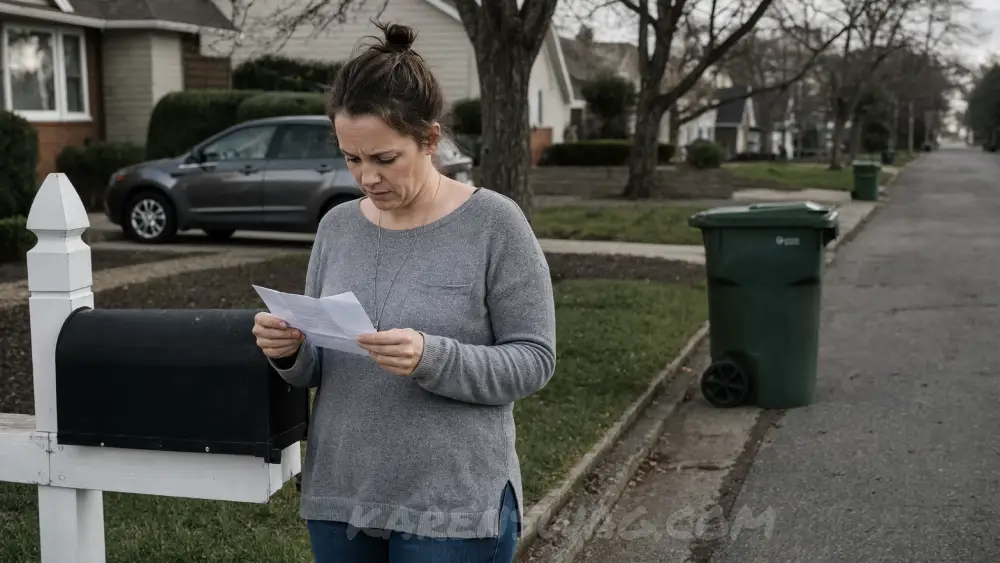
It started with a trash can. The collection truck had already passed, but the homeowner could not bring the bin inside right away. It stayed near the curb for about three extra hours. By sunset, the bin was behind the fence. By breakfast the next morning, an official HOA warning was waiting at the door.
The letter said the trash can had been left in public view for too long. It also included a photo. Someone had seen the bin, stopped, taken a picture, and sent it to the homeowners association.
This is how many HOA horror stories begin. A small issue becomes a large fight. A trash can, a paint color, or a guest's car turns into a chain of warnings, fines, emails, and angry meetings.
Homeowners associations can serve a useful purpose. They care for shared spaces, collect fees, and create basic rules for the community. Problems begin when the rules matter more than the people who live there. When that happens, a quiet street can start to feel like a place where every mailbox, flowerpot, and blade of grass is being watched.
Five HOA Horror Stories
These stories show how normal neighborhood rules can become unfair when common sense disappears.
1. The Wandering Trash Can
We will call the homeowner Maya. She worked at a hospital and often came home after dark. Trash collection happened on Tuesdays. The HOA rules said bins had to be moved out of sight by the end of collection day.
Maya followed the rule most of the time. One Tuesday, an emergency at work kept her late. Her trash can stayed next to the garage until a little after 8 p.m. A few days later, she received a warning.
She thought the warning was silly, but she let it go. Two weeks later, another late shift kept her away from home. This time, the HOA sent a fine.
Maya wrote to the board. She explained her job and asked if the board could allow a little extra time when a resident had a good reason. The answer did not respond to her request. It only copied the trash can rule in bold letters.
Then Maya noticed something strange. Each warning included a photo taken from almost the same place. Someone was checking her home on trash day and waiting to see when she moved the bin. A basic rule had become a small watch program focused on her driveway.
Maya did not start a shouting match. She asked a retired neighbor to move the bin on days when she worked late. Then she went to the next board meeting with copies of every notice. She asked how complaints were recorded and whether the same rule was being applied to every home.
Other residents began to speak. Maya was not the only person receiving fast warnings with carefully timed photos. The board later added a grace period that allowed bins to stay out until the next morning.
No one said the old rule had been handled badly. The board called the change a policy update. Still, the result made life easier for everyone.
2. Fifty Shades of Approved Beige
Daniel and Priya bought a house with faded yellow paint. They wanted to paint it a soft gray with white trim. Before doing any work, they sent the HOA the paint company, color name, product code, and a printed sample.
The committee approved the color in writing. Daniel and Priya hired painters and spent several thousand dollars. The finished house looked clean and simple.
Nine days later, a committee member came to the door with a folder. She said the gray looked cooler on the house than it had looked on the sample. She also said that sunlight showed blue tones that did not fit the look of the neighborhood.
Daniel showed her the leftover paint cans. The codes on the cans matched the approved request. The couple had used the exact paint that the committee had accepted.
That should have ended the matter. Instead, the committee asked them to send a plan for repainting the house.
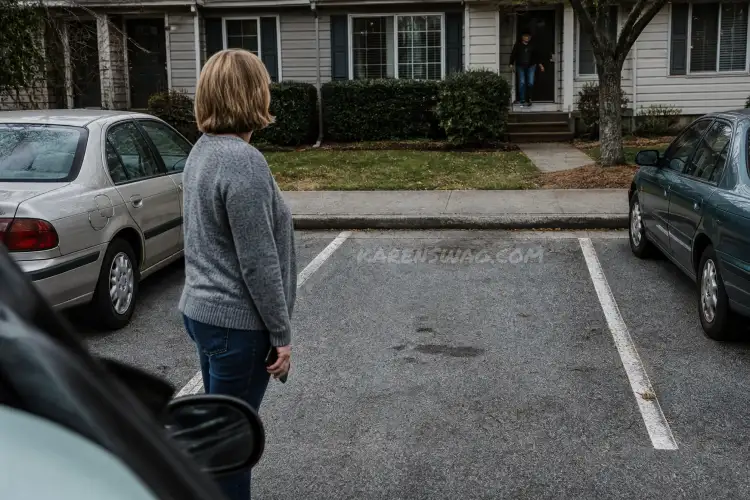
Priya was angry, but she did not send the first email she wrote. Instead, she read the HOA rules, the design guide, and the approval letter again. The rules required the couple to get approval before painting. They had done that. Nothing in the rules said the color had to look the same in every kind of light.
At the appeal meeting, Daniel and Priya brought the written approval, receipts, paint cans, and photos of the house at different times of day. They kept their argument simple. They had followed the stated process and spent money based on written approval.
The committee removed the fine. It also changed the paint request form for future projects. Homeowners would now need to paint a small test area before receiving final approval.
That new step may help prevent future problems. It also showed that Daniel and Priya had been asked to follow a rule that did not exist when they painted their house.
3. The Lawn Inspector
Marcus liked his front yard. It was not perfect, but it was healthy. Clover grew between some parts of the grass. There were a few bare spots under a large tree. Native flowers near the porch attracted bees.
Marcus mowed often. Children played on the lawn. Nothing about the yard looked dangerous or badly cared for.
Then a new board member began sending notices about grass height. Marcus lowered his mower and cut the lawn again. Another notice came a week later.
Marcus asked the HOA where the grass had been measured and how tall it was. He received no clear answer.
One Saturday morning, Marcus looked through his window and saw the board member standing near the edge of his yard. She was holding a ruler in the grass. It was a real ruler, not a joke.
Marcus went outside and asked what she was doing. She said one part of the grass was half an inch over the limit. Marcus pointed out that she had chosen a small clump next to a sprinkler head. The mower could not reach that spot well.
The board member replied that the rule did not say she had to measure the average height of the lawn.
Marcus wanted to argue, but he stopped himself. He took a photo of the ruler and asked for the HOA's inspection process in writing.
At the next meeting, residents learned that there was no written inspection process. The HOA had a grass height rule, but it had no approved way to measure the grass. It also had no rule that allowed board members to walk onto private yards for an inspection.
The board paused lawn fines while it created a fair process. Marcus added mulch around the sprinkler head. The problem was solved without a public fight or a viral video.
4. The Guest Parking Trap
Elena's sister came to visit for a long weekend. She parked in a guest space and placed the required permit where it could be seen.
On the second morning, the car was gone.
At first, Elena and her sister thought the car had been stolen. They soon learned that it had been towed during the night. The towing company said the HOA had approved the tow.
The permit was valid. The problem was that residents were not allowed to use guest parking. A parking worker had seen the car on two days and decided that its owner must live in the neighborhood.
No one knocked on Elena's door. No warning was placed on the car. No one checked the visitor list. The towing bill was almost as much as the rest of the weekend trip.
The HOA manager first defended the decision. He said the vehicle had been seen on two calendar days in a row. Elena pointed out that this was a complicated way to describe a weekend visit.
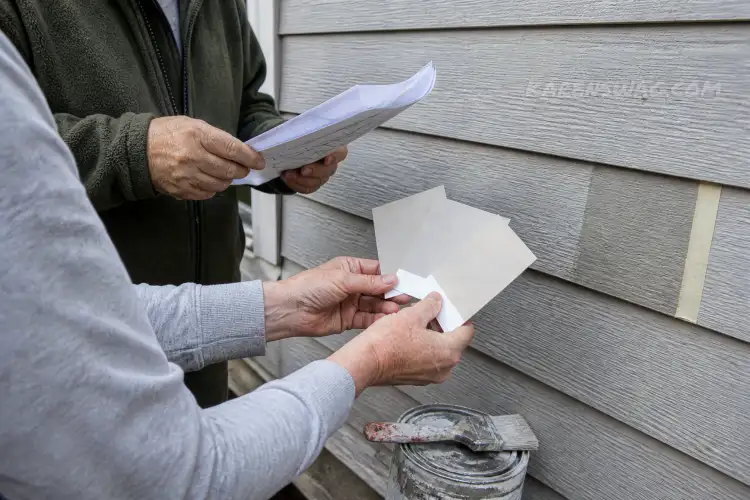
Elena asked for the towing approval, parking photos, patrol notes, towing contract, and the exact rule used. The records showed that the permit had been easy to see. They also showed that nobody had checked whether the driver was a real guest.
The board paid back the towing fee. It also changed the policy. A car with a valid permit would now receive a warning before being towed, unless it blocked traffic or caused a safety problem.
Parking rules can be important when a community has limited spaces. Towing should still be a last step. A simple question could have solved this problem before it became an expensive fight.
5. The Little Library Rebellion
Jamal built a small outdoor book box with his daughter. They painted it dark green and placed it near the front walkway. Neighbors could take a book or leave one.
For a month, the little library worked well. Children stopped on their way home from school. One neighbor left a stack of mystery books. Another person added gardening books.
Then Jamal received a notice. The HOA called the book box an unapproved outdoor structure.
Jamal sent an approval request after receiving the notice. The committee rejected it because outdoor structures were not allowed in front yards. He offered to attach the box to his fence. The committee said no. He offered to make it smaller. The answer was still no.
Finally, Jamal asked what change would make the little library acceptable. The committee said that the neighborhood rules did not include this type of structure.
That answer upset many residents. The library was clean, small, and useful. It did not block the sidewalk or create a safety problem. The only real issue was that the old rules had never mentioned it.
The next board meeting had more visitors than usual. Several neighbors came with books they had borrowed from the box. A former board president pointed out that the committee could approve new outdoor features when they fit the neighborhood.
The little library stayed. Jamal moved it a short distance from the sidewalk, and the committee approved the new location.
The meeting also reminded residents of something important. An HOA is not a separate power that owns the neighborhood. It is a community group that should answer to its members and follow its own rules.
Why Small Rules Become Big Fights
Most HOA fights are not only about the object named in the warning. The trash can, paint color, or flower box is usually just the starting point.
The real fight is often about control, respect, and fair treatment. The homeowner asks, "Why are you telling me what to do with my own property?" The board asks, "Why should this owner be allowed to ignore a rule that applies to everyone?"
Both sides may have a fair point. Homeowners see their property as a private place. Board members see each home as part of a shared community. Problems grow when either side refuses to listen.
The Punishment Does Not Fit the Problem
A warning about a trash can may be fair. Daily photos and quick fines are probably too much. Paint approval may be useful. Asking someone to repaint after using an approved color is not reasonable.
A good response should match the harm. If no one is being hurt and the neighborhood is not being damaged, the first step should usually be a simple and friendly message.
The Rule Is Not Clear
Some HOA rules are old, unclear, or open to different meanings. A rule may say that a yard must be neat without explaining what neat means. Another rule may ban outdoor structures without saying whether that includes a small book box.
Unclear rules give too much power to personal opinions. Residents should be able to understand what is allowed before they spend money or make changes.
Communication Turns Personal
Official letters can sound cold, even when the issue is small. Homeowners may answer with anger. Board members may then become defensive. Soon, the discussion is no longer about the original problem.
Clear and calm language can stop this from happening. A board can explain the rule, include proof, and offer time to fix the issue. A homeowner can ask direct questions without attacking anyone.
How to Handle an Unfair HOA Notice
An unfair warning can make you want to write an angry email or march into the next board meeting. That reaction is understandable, but it may make the problem harder to solve.
1. Read the Actual Rule
Do not depend only on the wording in the warning. Find the full rule in the HOA documents. Read the sections about notices, fines, appeals, and hearings.
Check whether the notice says the same thing as the rule. Also check whether the HOA followed the correct steps before sending a fine.
2. Save Your Proof
Take clear photos and write down the dates. Save every letter, email, request, approval, and receipt. After a phone call, make a short note about who spoke and what was said.
Good records are often more useful than a long argument.
3. Ask Clear Questions
A question such as "Why are you picking on me?" may start another fight. Ask for facts instead.
- Which exact rule did I break?
- When was the problem seen?
- Do you have photos or inspection notes?
- How was the fine calculated?
- How can I request a hearing?
4. Keep Your First Reply Calm
Your first reply should be short, polite, and focused on facts. Write it as if it may be read at a public meeting later.
Do not insult board members. Do not threaten to post their names online. Do not copy every neighbor unless there is a good reason. The goal is to solve the issue, not to win the first email.
5. Use the Appeal Process
Pay attention to deadlines. Request a hearing in writing if the rules require it. Bring a short timeline, copies of the rule, and clear proof.
A calm five minute explanation is often stronger than a long speech about unfair power. Show what happened, explain why the notice is wrong, and state the result you want.
6. Know When to Get Help
Some HOA disputes involve more than a small fine. Get advice from a qualified local professional if the matter involves a lien, the risk of losing your home, discrimination, disability needs, large costs, or major property changes.
HOA laws are different in each place. Online advice may not match the rules where you live.
The HOA Is Not Always Wrong
Sometimes the homeowner is the person causing the problem.
A resident may block a fire lane after receiving several warnings. Someone may paint a house a bright color without asking for approval, even though the purchase papers clearly required it. Another resident may play loud music at midnight and act shocked when neighbors complain.
Shared roads, walls, roofs, drains, and common areas need rules. An HOA that never applies its rules can be just as difficult as one that watches every lawn too closely.
The main question is not whether someone was told no. The better questions are simple:
- Does the rule have a useful purpose?
- Was the rule clear before the problem happened?
- Is the rule applied in the same way to everyone?
- Does the response match the size of the problem?
- Did the resident have a fair chance to fix the issue?
What a Good HOA Looks Like
A well run HOA is usually not exciting. Its rules are easy to find and understand. Notices explain the problem clearly. Residents have enough time to fix simple mistakes. Appeals are taken seriously.
Good board members apply the same standards to everyone. They do not use their role to settle personal arguments. They also understand that following a rule is not always more important than using common sense.
A good board reviews old rules as the neighborhood changes. Rules written many years ago may not cover solar panels, electric car chargers, delivery boxes, or small outdoor libraries. The goal should be a safe and pleasant neighborhood, not a place that never changes.
Most board members are volunteers. Most homeowners want to live quietly. Both sides benefit when they remember that they are neighbors first.
Final Thoughts
HOA horror stories are funny because the level of anger often does not match the size of the problem. A mailbox leans a little to one side, and people react as if the whole neighborhood is falling apart.
Behind the humor is a real lesson about small amounts of power. Rules work best when the people applying them use good judgment. A healthy community can protect shared spaces without demanding that every home, yard, and family look the same.
A good neighborhood does not need matching curtains, perfectly timed trash cans, or lawns that fear a ruler. It needs people who can solve real problems and leave harmless things alone.
If someone is standing near your yard with a ruler, take a photo, read the rules, and make some coffee. The next board meeting may be a long one.
Comments
No comments yet. Start the conversation.